
Lithium polymer batteries: characteristics, types

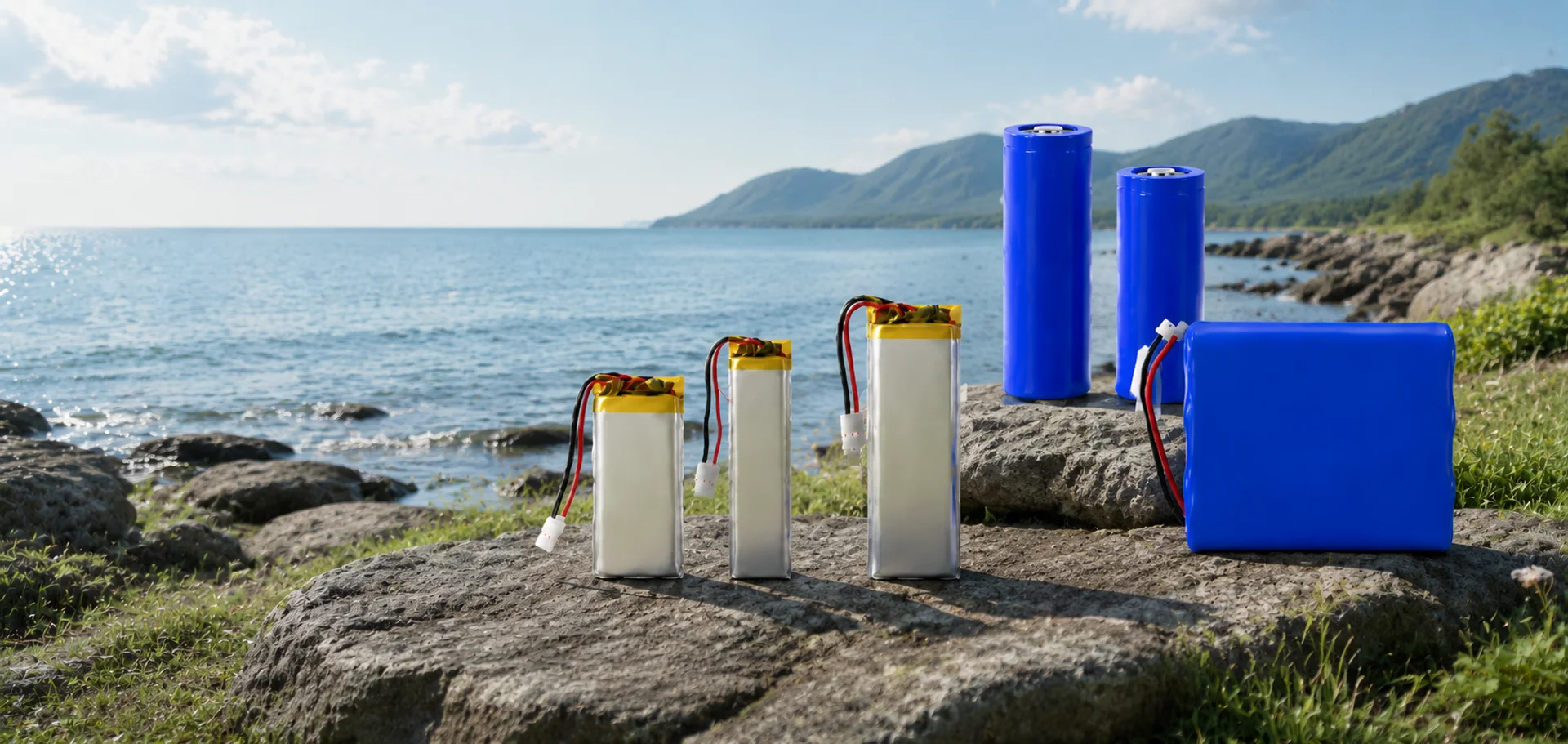
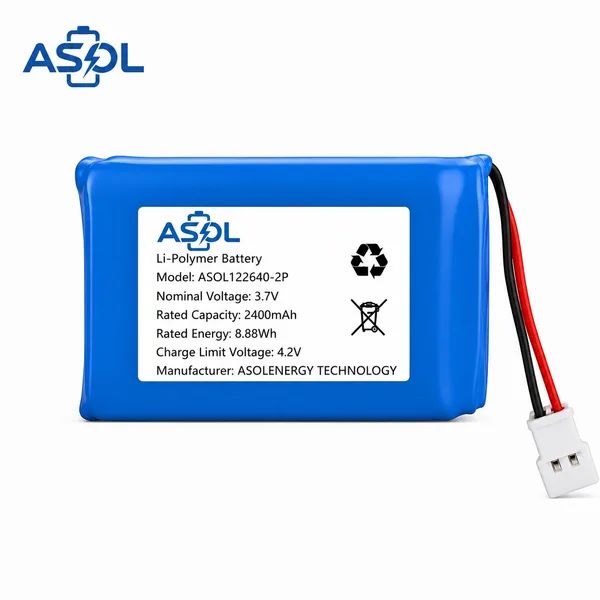
Following our discussion of special battery packs, let’s explore lithium polymer (LiPo) batteries. LiPo batteries represent an advanced evolution in lithium-ion technology, where the traditional liquid electrolyte is replaced with a polymer-based electrolyte, enabling unique characteristics in safety, form factor, and weight .

Here is a detailed breakdown of their characteristics and types.

⚡ Key Characteristics of Lithium Polymer Batteries

The fundamental difference in electrolyte and packaging gives LiPo batteries distinct characteristics compared to standard liquid lithium-ion batteries .

CharacteristicDescription
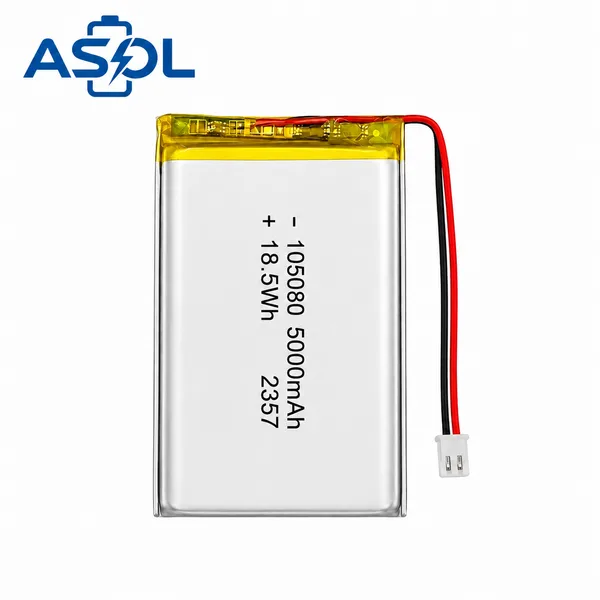
Lightweight and Thin DesignThe use of lightweight aluminum-plastic film soft packaging (instead of a metal can) results in batteries that are 20-40% lighter than equivalent Li-ion batteries. Thickness can go below 0.5mm .
Flexible Form FactorLiPo batteries can be customized into various shapes and sizes—rectangular, round, curved, or irregular—to perfectly fit device designs. This allows manufacturers to maximize space in sleek products .
Enhanced SafetyThe gel-like or solid polymer electrolyte is significantly less likely to leak and reduces the risk of fire or explosion. The flexible pouch can swell to relieve internal pressure rather than bursting violently .
High Energy DensityLiPo batteries offer excellent energy density (typically 150-250 Wh/kg or higher), providing long runtime in a compact package. Some sources indicate 1.5-2.5× the energy density of NiMH batteries .
High Discharge RatesThey can deliver very high bursts of current, with discharge rates often rated at 20C-50C for high-performance applications. This makes them ideal for drones and RC vehicles .
Long Cycle LifeHigh-quality LiPo batteries can achieve 500 to over 1,200 charge cycles when properly maintained, thanks to the polymer electrolyte’s lower corrosiveness and stable internal structure .
Low Self-DischargeLiPo batteries have a low self-discharge rate (~5% per month), meaning they retain charge well when not in use .
No Memory EffectThey can be charged at any time without needing full discharge, offering great convenience in daily use .

🔋 Types of Lithium Polymer Batteries

LiPo batteries can be classified in several ways, including by structural design, electrolyte type, and form factor.

Classification by Structural Design

TypeDescriptionBest Applications
Wound Type (Cylindrical Winding)Uses a winding process similar to traditional Li-ion batteries, where electrodes and separator are rolled into a jelly-roll structure and enclosed in a pouch. Offers high energy density and mature production process .Compact applications where space is constrained but high energy density is needed.
Stacked Type (Laminate Stacking)Electrodes and separator are cut into sheets and stacked layer by layer using hot-pressing, then sealed in a pouch. Offers better safety, structural stability, and efficient space use .Custom-shaped battery packs and high-power applications like drones and EVs.

Classification by Electrolyte Type

TypeDescription
Gel Polymer Electrolyte BatteriesThe most widely used type today. Uses a gel-like polymer electrolyte with additives to improve ionic conductivity, allowing operation at room temperature .
Solid Polymer Electrolyte BatteriesUses a solid polymer electrolyte (mixture of polymers and salts). Has lower ionic conductivity at room temperature, making it more suitable for high-temperature applications .
Conductive Polymer Cathode BatteriesUses conductive polymers as cathode materials. Theoretically offers three times the specific energy of conventional LiPo batteries, but still faces technical challenges in practical use .

Classification by Form Factor and Construction

TypeAdvantagesLimitationsBest Applications
Soft-Sided Pouch CellsMaximum energy density, lightweight, thin profile, highly customizable in size and shape .Vulnerable to punctures, less thermal protection, requires careful handling .Consumer electronics (smartphones, tablets), lightweight drones, wearables .
Hard-Case LiPo CellsSuperior impact and puncture resistance, better thermal management, longer lifespan, easier to mount .Lower energy density due to added weight, bulkier, higher cost .RC cars, power tools, industrial equipment, rugged environments .
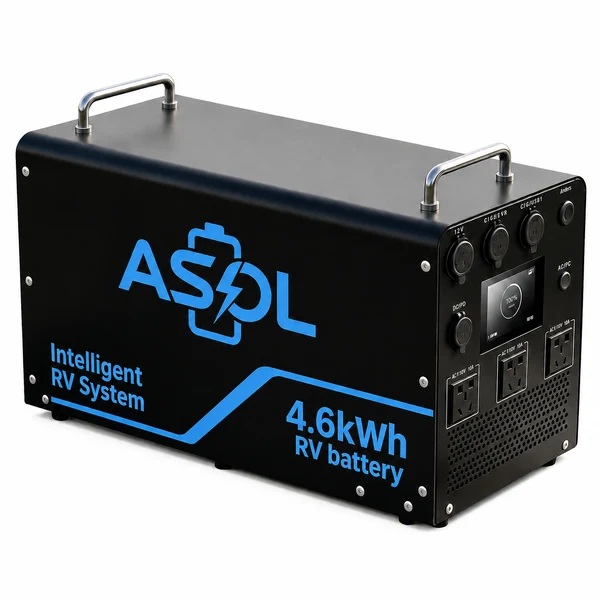
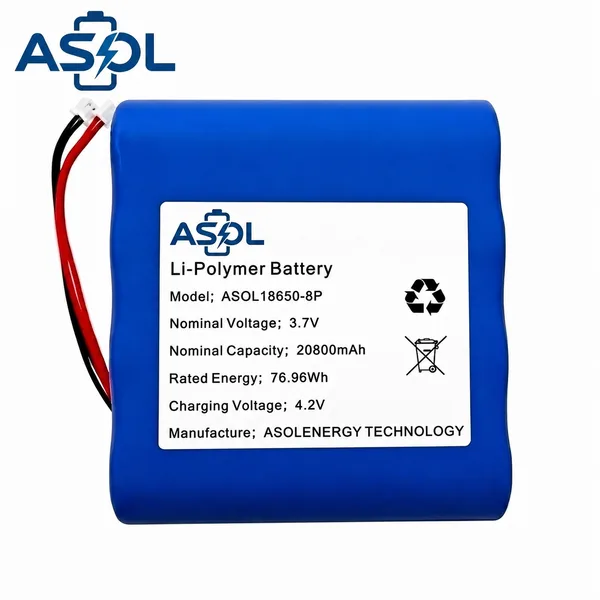
Multi-Cell LiPo PacksCustomizable voltage and capacity (series/parallel configurations), sustained high-power output, improved cell balancing .More complex charging, higher risk if one cell fails, heavier and larger .Drones, robotics, high-performance RC vehicles, portable power stations .
Elastic (Flexible) LiPo CellsCan conform to curved or irregular surfaces, maintains performance under mechanical stress, high energy density despite flexibility .Limited availability, higher cost, still in early adoption phase .Wearable tech (smartwatches, health monitors), foldable devices, medical implants .

Classification by Shape

LiPo batteries can also be categorized by their physical shape:

  • Pouch Cells: The most common form, consisting of flat, flexible sheets sealed in a soft pouch .
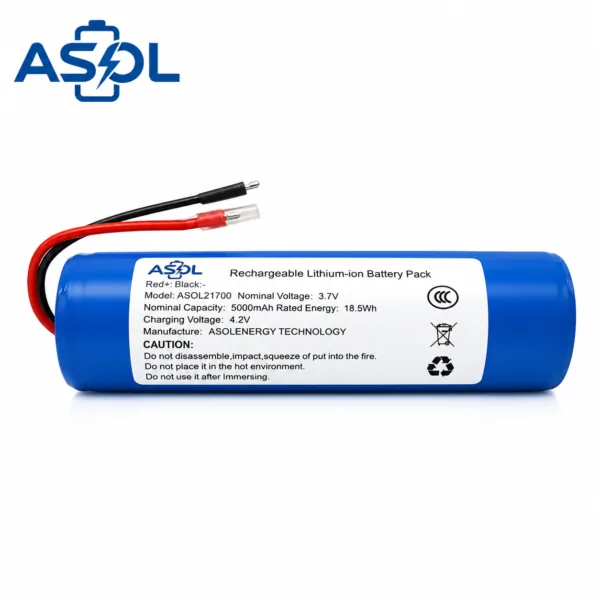
  • Cylindrical Cells: Less common for LiPo, but some small cylindrical LiPo batteries exist where a standard cylindrical shape is preferred .
  • Custom-Shaped Cells: For specialized devices, LiPo batteries can be customized into curved, rectangular, or irregular forms that perfectly match the device’s internal architecture .
  • Thin-Film Batteries: Exceptionally slim batteries suitable for microelectronics, smart cards, or medical implants .

📱 Common Applications by Type

Application AreaTypical LiPo Type UsedKey Requirements Met
Smartphones & TabletsSoft-sided pouch cells, custom-shaped cellsThin profile, lightweight, custom shape to fit compact internal space
Wearable DevicesElastic/flexible cells, thin-film batteries, custom-shaped cellsFlexibility, ultra-thin, lightweight, can conform to body contours
Drones & UAVsSoft-sided high-discharge pouch cells, multi-cell packsHigh energy density, high discharge rates (high C-rating), lightweight
RC VehiclesHard-case LiPo cells, multi-cell packsHigh discharge rates, impact resistance, sustained power output
Power BanksSoft-sided pouch cells, custom-shaped cellsSlim profile, customizable capacity, lightweight
Medical DevicesThin-film batteries, custom-shaped cells, elastic cellsCompact size, reliability, long cycle life, custom shapes for implants
Industrial EquipmentHard-case LiPo cells, multi-cell packsDurability, thermal stability, resistance to mechanical stress

⚠️ Important Safety Considerations

While LiPo batteries offer enhanced safety over liquid Li-ion, they still require proper handling :

  • Use appropriate chargers: Always use a balance charger designed specifically for LiPo batteries .
  • Never charge unattended: Monitor charging and use a fireproof LiPo safety bag or container .
  • Avoid over-discharging: Use voltage alarms to prevent discharging below safe limits (typically 3.0V per cell) .
  • Inspect regularly: Check for swelling, leakage, or physical damage. If any abnormality is noticed, stop use immediately .
  • Store properly: Store at half charge (about 3.8V per cell) in a cool, dry place away from flammable materials .

Product Enquiry

Scroll to Top