
Here is a detailed explanation of power battery packs, covering their characteristics and types, based on the provided search results and general engineering knowledge.
Power battery packs are advanced energy storage systems engineered to power the traction motors of electric vehicles (EVs) and other high-demand applications like industrial machinery and off-highway vehicles . Unlike standard batteries, they are fully integrated systems designed for safety, reliability, and high performance under demanding conditions .
⚡ Key Characteristics of Power Battery Packs
The characteristics of a power battery pack are defined by its core components and how they work together as a unified system.
- High Energy and Power Density: Power battery packs are designed to store significant energy (for long range) and deliver it at high rates (for acceleration). They achieve this through advanced lithium-ion chemistries like NMC (high energy density) or LFP (long life and safety) . Energy density is a critical metric, with some packs achieving up to 180 Wh/kg or 300 Wh/l .
- Integrated Battery Management System (BMS): The BMS is the “brain” of the pack . It is an intelligent electronic system that constantly monitors key parameters like voltage, current, and temperature of individual cells . Its functions are critical for:
- Safety: Preventing operation outside of safe conditions (over-charge, over-discharge, over-current, short-circuit, extreme temperatures) .
- Performance: Performing cell balancing to ensure all cells charge and discharge evenly, optimizing the pack’s usable capacity and prolonging its life .
- Communication: Exchanging data with the vehicle’s main controller (e.g., via CAN bus) to provide status updates like State of Charge (SoC) and power recommendations .
- Robust Thermal Management System: Maintaining an optimal temperature is vital for performance, safety, and longevity . Power battery packs integrate thermal management systems, which can be:
- Active Cooling: Such as liquid cooling systems that circulate coolant through plates or channels to dissipate heat effectively .
- Heating: Integrated heaters allow the battery to operate and charge efficiently even in extremely cold environments, down to -35°C in some designs .
- Protective Mechanical Structure: The pack is housed in a rugged, sealed enclosure that provides:
- Mechanical Protection: Shielding internal components from physical shock, vibration, and impact .
- Environmental Sealing: With high Ingress Protection (IP) ratings (e.g., IP65, IP67) to keep out dust, water, and other contaminants .
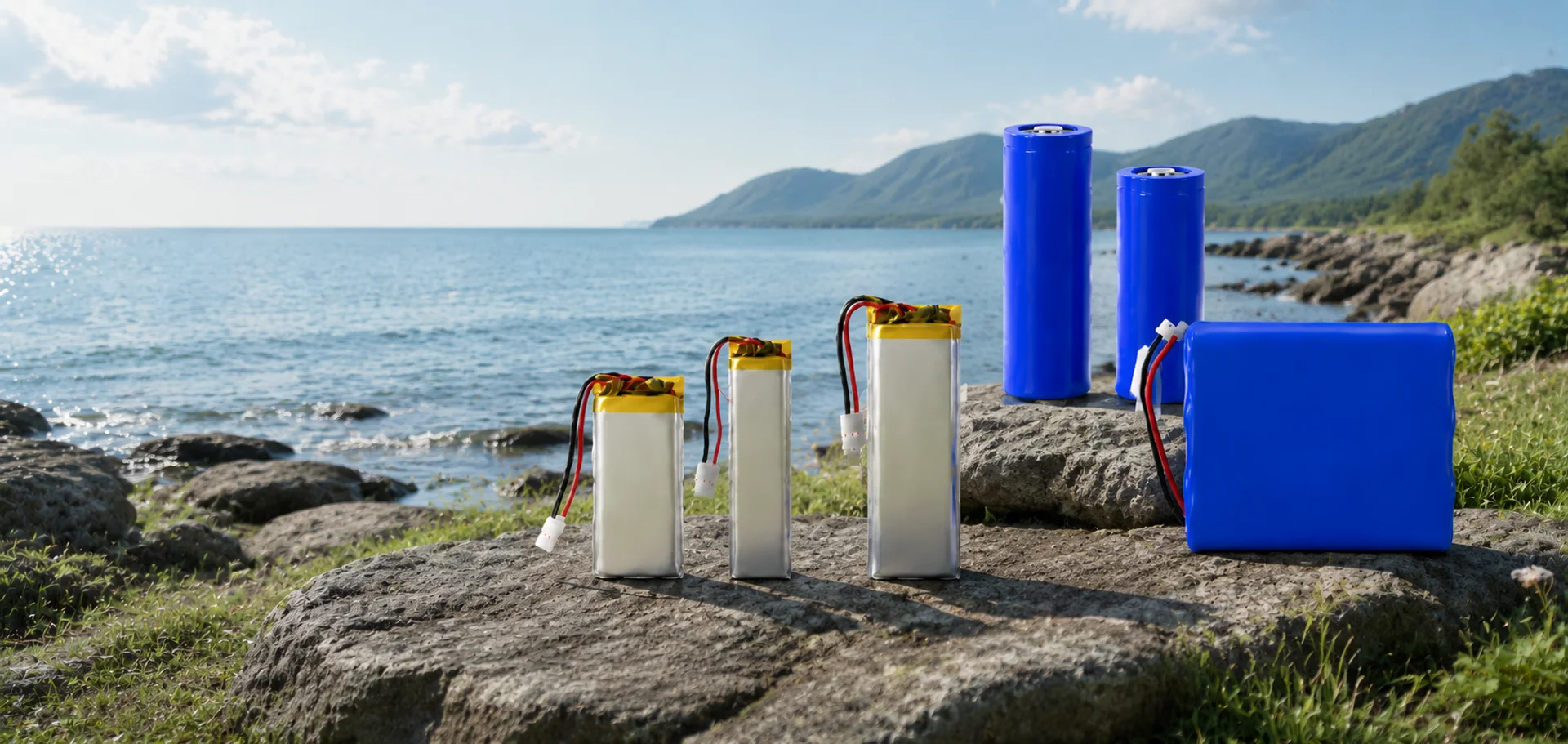
- Modular and Scalable Architecture: Power battery packs are often built from smaller, standardized units called modules . This modular approach simplifies manufacturing, assembly, and service, and allows packs to be configured for different voltage and capacity requirements by connecting modules in series and parallel .
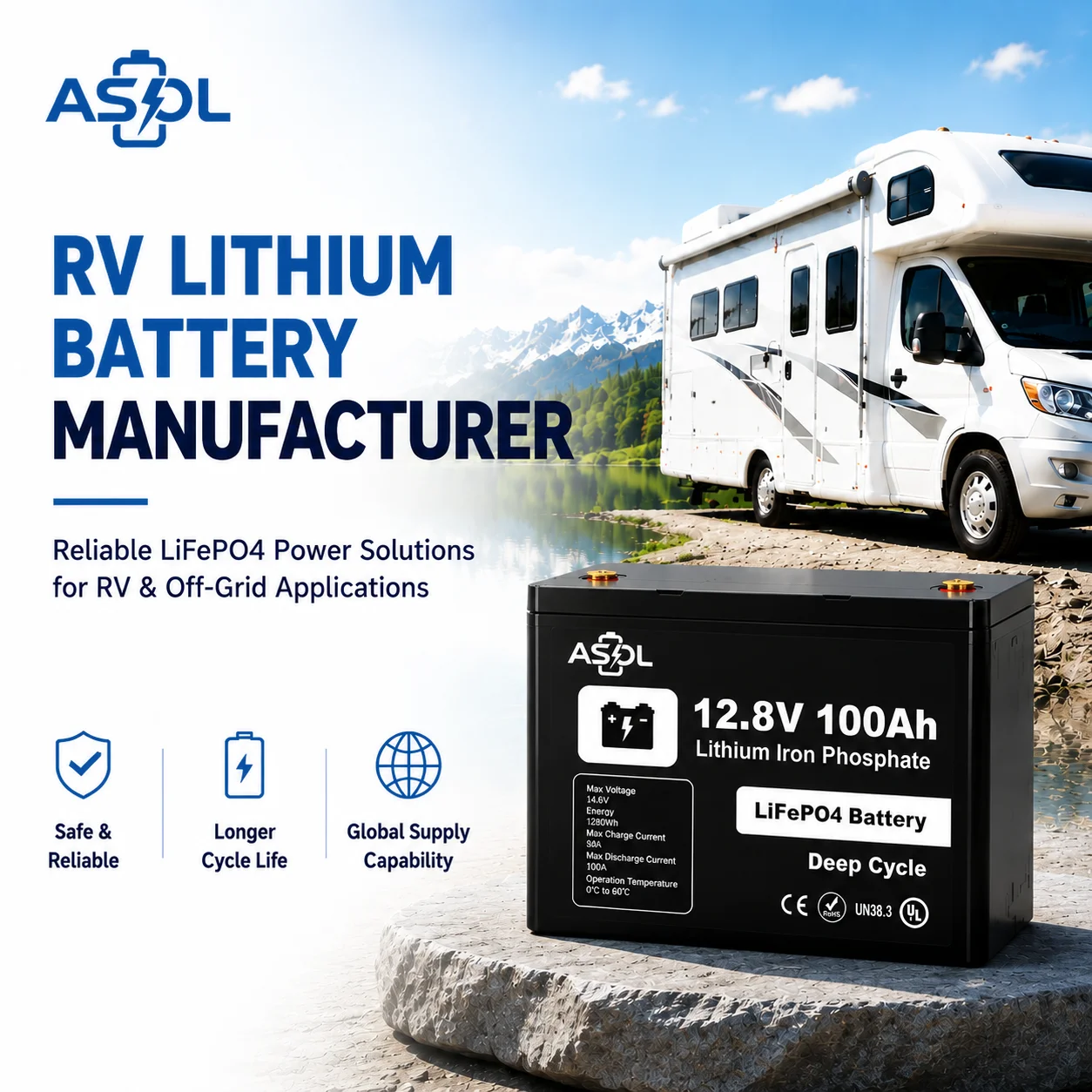
- Long Cycle Life: Designed for thousands of charge-discharge cycles. For example, packs using LFP chemistry can achieve 4,000 cycles or more, lasting 3-5 times longer than traditional lead-acid batteries .
- Compliance with Stringent Safety Standards: To ensure safety and global transportability, power battery packs must pass rigorous tests and certifications, such as UN38.3, UL, and CE standards .
🔋 Common Types of Power Battery Packs
Power battery packs can be categorized in several ways, most commonly by their underlying cell chemistry or by their structural design.
Classification by Battery Chemistry
The choice of chemistry dictates the pack’s performance profile, including energy density, safety, lifespan, and cost .
| Chemistry | Abbreviation | Key Characteristics | Common Applications |
|---|---|---|---|
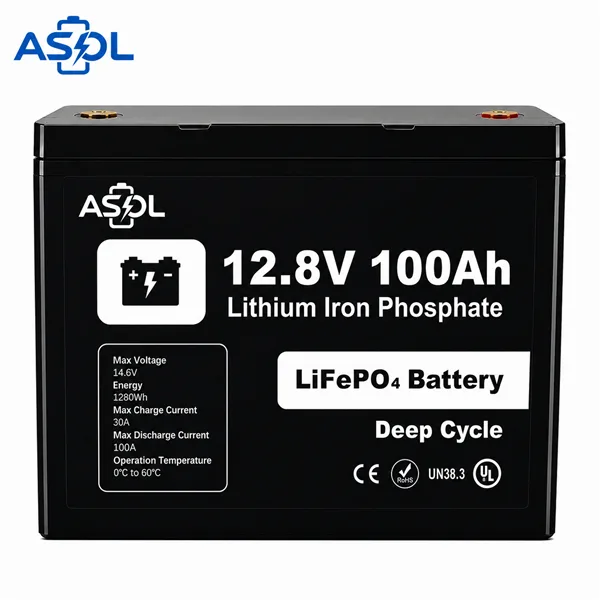
| Lithium Iron Phosphate | LFP | High safety, very long cycle life (up to 4000+ cycles), cost-effective, but lower energy density . | Electric buses, mining equipment, energy storage systems, applications prioritizing safety and longevity . |
| Nickel Manganese Cobalt | NMC | High energy density, good overall performance, but shorter lifespan and potentially higher cost than LFP . | Electric vehicles (passenger cars), space-critical applications where maximizing range is key . |
| Nickel-Metal Hydride | NiMH | Durable and reliable, but heavier and with lower energy density than modern lithium-ion packs. | Primarily used in older hybrid electric vehicles (like the Toyota Prius) and some rechargeable AA/AAA batteries . |
| Lead-Acid | — | Heavy and low energy density, but very reliable, low cost, and mature technology. | Still common in traditional starter batteries for cars (SLI) and as a low-cost option for backup power systems . |
Classification by Structural Integration
The way cells are integrated into the pack is a key design characteristic that has evolved to maximize energy density.
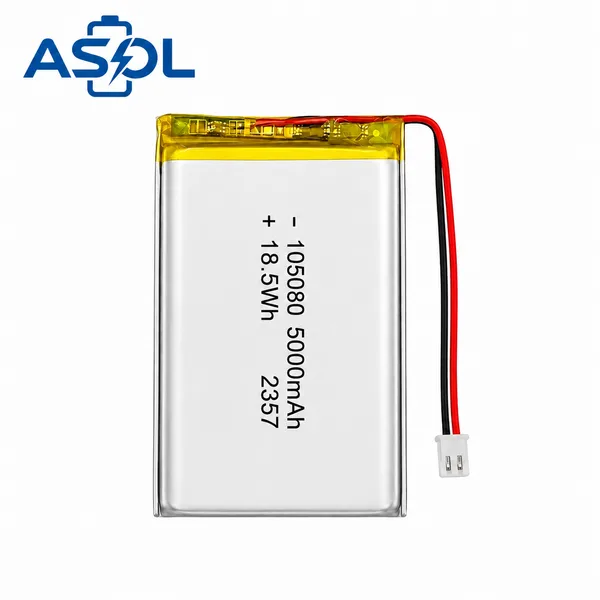
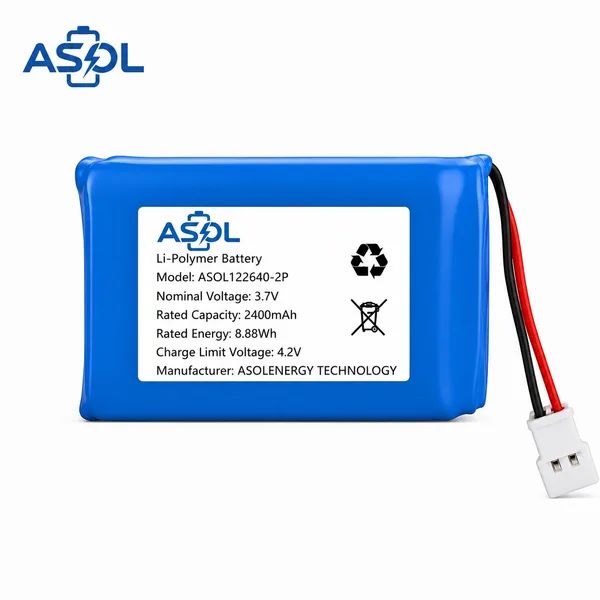
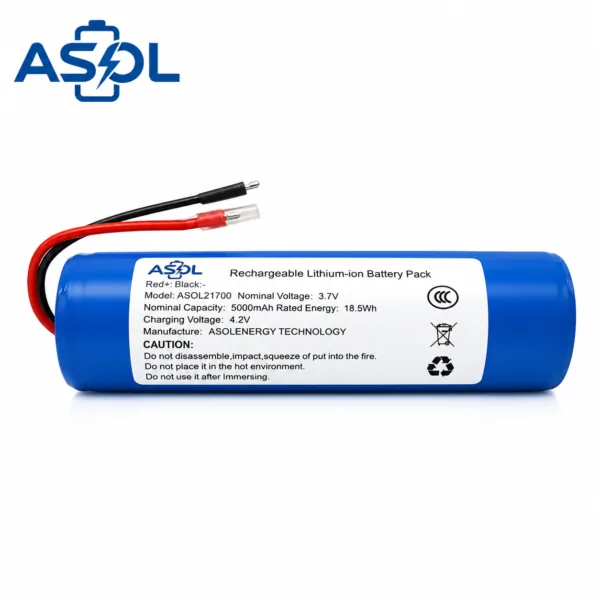
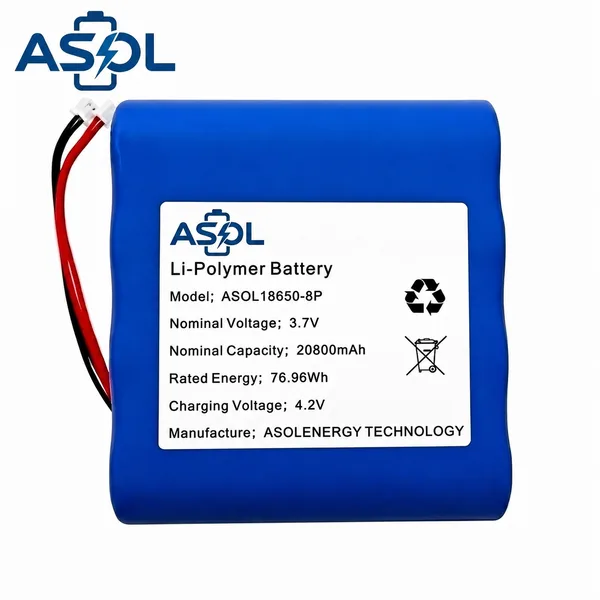
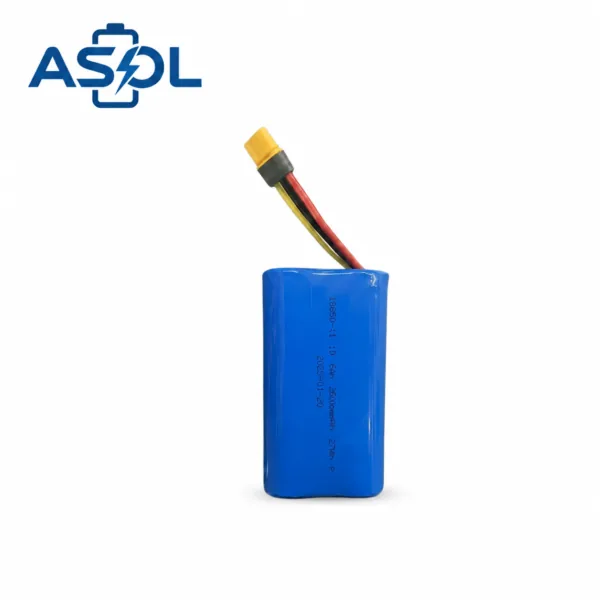
- Cell-to-Module-to-Pack (CTM): This is the traditional architecture. Individual cells (cylindrical, prismatic, or pouch) are first assembled into modules, which provide structure and protection. These modules are then connected and placed inside a pack housing along with the BMS and thermal system .
- Cell-to-Pack (CTP): A more recent innovation where cells are integrated directly into the battery pack, bypassing the module level. This eliminates significant weight and volume, resulting in higher overall system energy density .
- Cell-to-Chassis/Body (CTC/CTB): The most integrated approach, where cells are incorporated directly into the vehicle’s structure (e.g., the chassis or body floor). This further improves energy density and can enhance vehicle rigidity .
Classification by Application
Power battery packs are also tailored to their specific use cases .
- Automotive Traction Batteries: Designed to power the electric motor(s) of BEVs, PHEVs, and HEVs. They prioritize high energy density, power delivery, and long life under dynamic driving conditions .
- Industrial Batteries: Used in off-highway vehicles, forklifts, automated guided vehicles (AGVs), and heavy machinery. These packs are built to withstand harsh environments and demanding duty cycles .
- Backup Power (UPS): Provides temporary power during outages to protect critical systems like computers and data centers. These packs may prioritize reliability and rapid discharge over extreme energy density .