
Special battery pack: characteristics, types

Following our discussion of standard power battery packs, let’s explore the specialized world of “special battery packs.” These are not off-the-shelf solutions; they are meticulously engineered energy systems designed to operate under extreme conditions or meet unique form-factor requirements where conventional batteries would fail .

Here is a detailed breakdown of their defining characteristics and primary types.

⚙️ Key Characteristics of Special Battery Packs

Special battery packs are defined by a set of performance characteristics that are pushed to the extreme, tailored for mission-critical applications.

  • Extreme Environmental Tolerance: Unlike consumer batteries, these packs are built to survive and perform in harsh conditions. They can operate across a staggering temperature range, with some capable of discharging at -40°C and charging up to +75°C . They are also designed to be rugged and resistant to shock, vibration, and pressure .
  • High Energy & Power Density in Compact Forms: They pack a significant amount of energy into small, lightweight, or uniquely shaped packages. This is crucial for applications where space and weight are at a premium, such as in wearable military gear, medical implants, or aerospace avionics . Some are engineered for high-rate discharge, supporting continuous discharge currents of 30C or more .
  • Exceptional Longevity and Reliability: For many special applications, reliability over decades is non-negotiable. Primary (non-rechargeable) special packs can feature an exceptionally long shelf life of up to 10 years and an operational life of 20-25 years . Rechargeable versions are designed for long cycle life, with some LFP-based packs achieving up to 7,000 cycles .
  • Intelligent Battery Management: To ensure safety and optimal performance in critical roles, these packs integrate advanced electronics. This includes sophisticated Battery Management Systems (BMS) for monitoring voltage, temperature, and current, as well as features like cell balancing, state-of-charge indicators, and communication interfaces (e.g., CAN bus) to talk to the host device .
  • Uncompromising Safety and Certification: Safety is paramount. Special packs incorporate multiple layers of protection, such as hermetic sealing to prevent leaks and multi-faceted safety designs . They must also pass rigorous certifications like UN 38.3, MIL-SPEC, and IEC 62133 to verify their safety for transport and use in defense and medical applications .

🔋 Common Types of Special Battery Packs

Special battery packs can be categorized by their underlying electrochemistry, as the choice of chemistry dictates the pack’s core strengths.

Battery ChemistryKey CharacteristicsTypical Applications
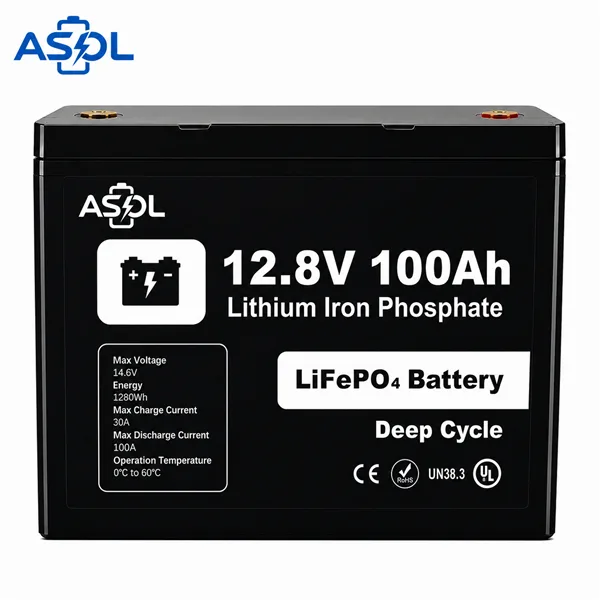
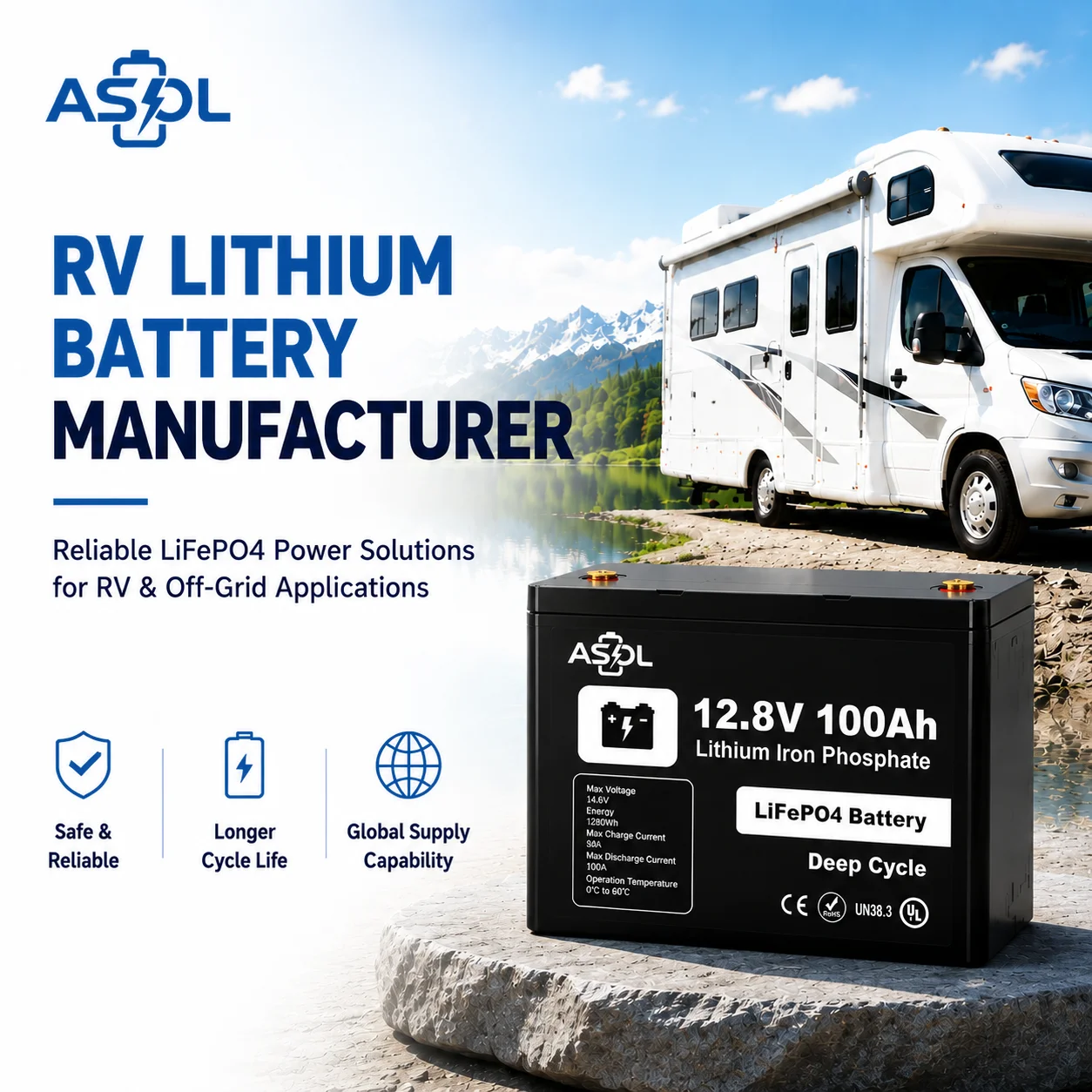
Lithium Iron Phosphate (LFP)High safety, excellent thermal stability, very long cycle life (2000-7000 cycles) . Slightly lower energy density than NMC .Industrial vehicles, mining equipment, high-temperature environments, applications prioritizing safety and longevity .
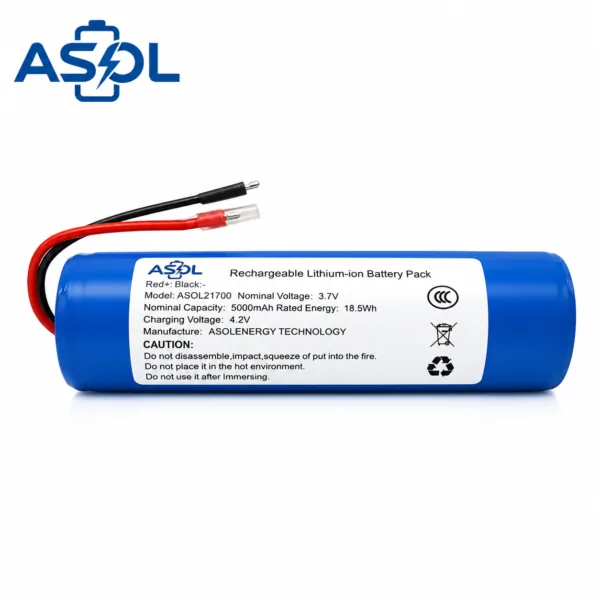
Lithium Nickel Manganese Cobalt (NMC)High energy density (up to 180 Wh/kg), good overall performance . Shorter lifespan than LFP.Electric vehicles, space-constrained industrial applications, power tools requiring high power .
Lithium Thionyl Chloride (LiSOCl₂)Primary (non-rechargeable) . Extremely high energy density, ultra-low self-discharge, very wide operating temperature range (-40°C to +85°C) .Memory backup, metering (utility meters), long-term industrial sensors, tracking devices, medical implants .
Lithium Manganese Dioxide (LiMnO₂)High energy density, stable voltage output, good low-temperature performance, long shelf life (up to 10 years) .Military radios, sensors, defense technology, memory backup, and as a longer-lasting alternative to alkaline batteries in specialty devices .
Nickel-Cadmium (NiCd)Very robust, long life, excellent performance at extreme temperatures (-40°C to +60°C), capable of high discharge rates . Contains toxic cadmium, subject to usage restrictions.Emergency systems, medical equipment, military/aerospace applications where regulations permit .
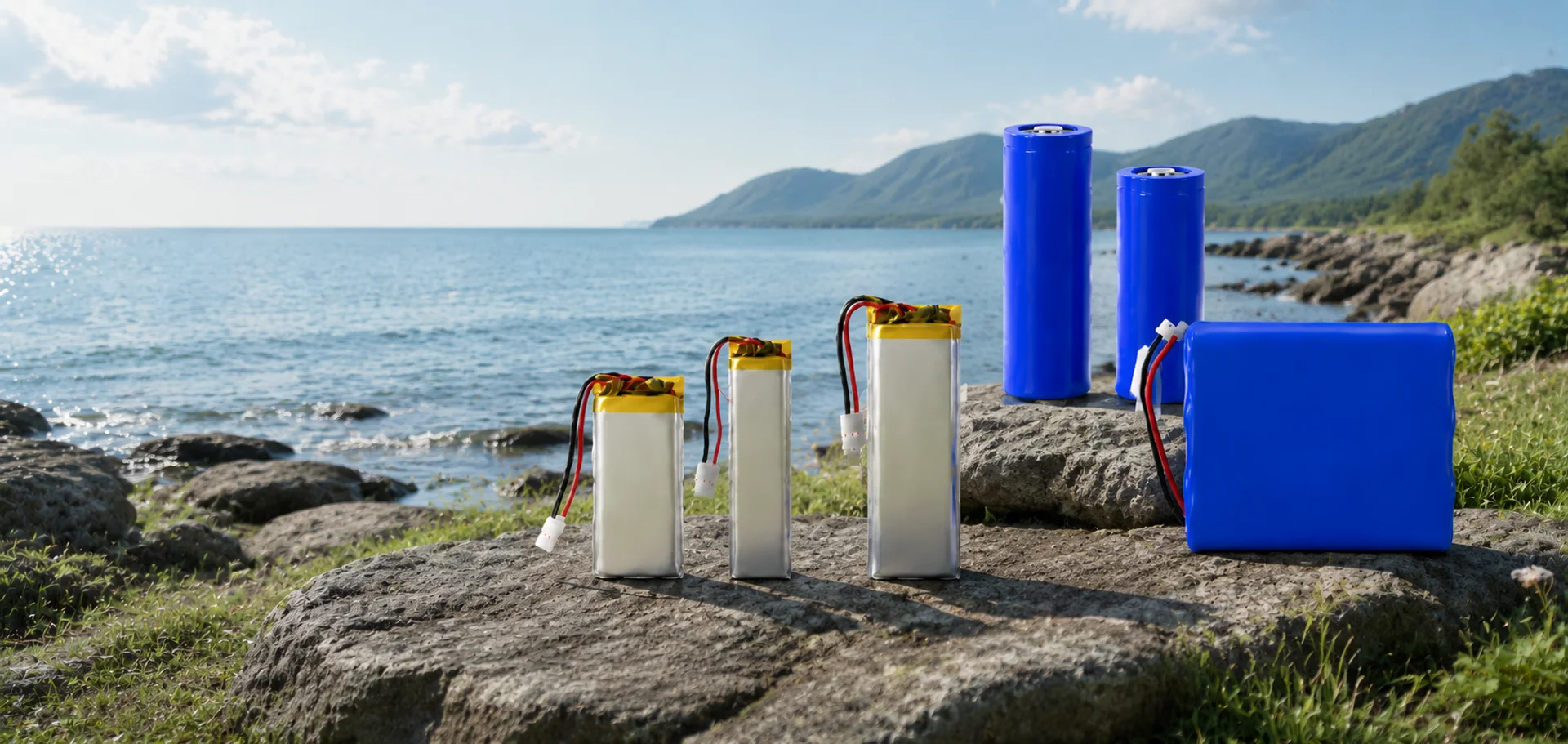
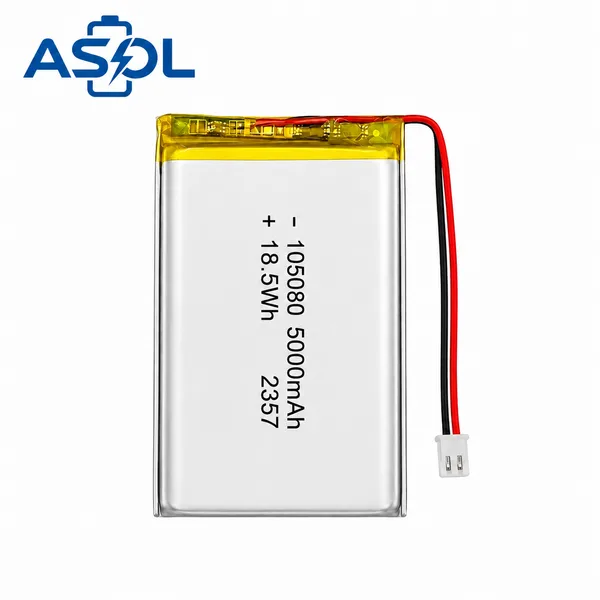
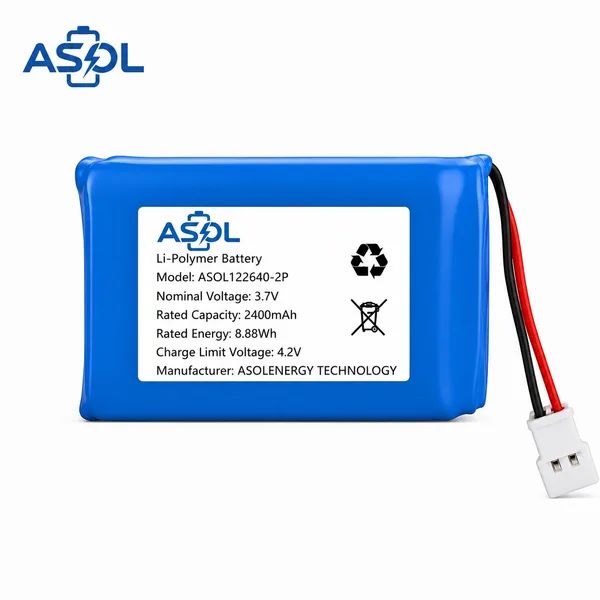
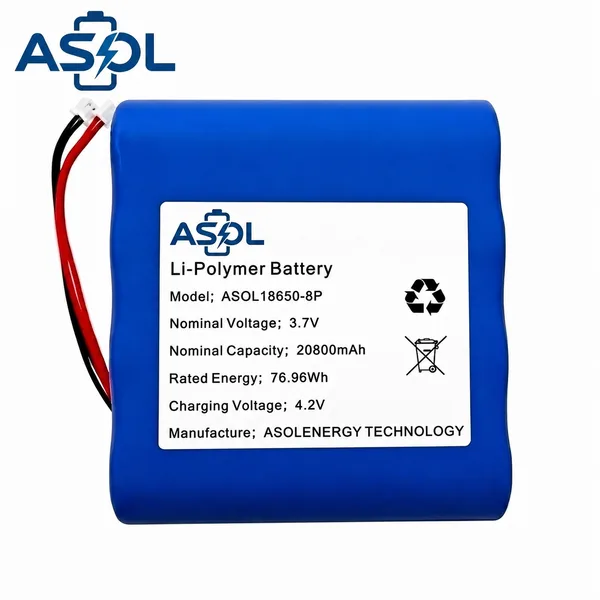
Lithium-Ion Polymer (Li-Po)Flexible form factor, lightweight, high energy density (200-250 Wh/kg) . Uses a gel polymer electrolyte.Aerospace (missiles, satellites), compact wearable devices, applications requiring a specific shape .
Lithium Carbon Monofluoride (LiCFx)Very high energy density and long shelf life, combines characteristics of Li/MnO₂ and pure CFx batteries .Critical military and medical devices where long, reliable power is essential .

🔬 Additional Advanced Types (Emerging)

Beyond the established types listed above, research continues on next-generation special batteries with even more extreme capabilities. These include :

  • Lithium-Sulfur (Li-S): Offers a very high theoretical energy density and uses low-cost, environmentally friendly sulfur. It is still primarily in the research and development phase.
  • Lithium-Air (Li-Air): Has an extremely high theoretical energy density by using oxygen from the air as a reactant. It faces significant technical challenges and is not yet commercially viable for most applications.
  • Lithium-Titanate (LTO): Known for its ultra-fast charging capabilities, excellent cycle life, and good low-temperature performance, but has a lower overall energy density.

Product Enquiry

Scroll to Top