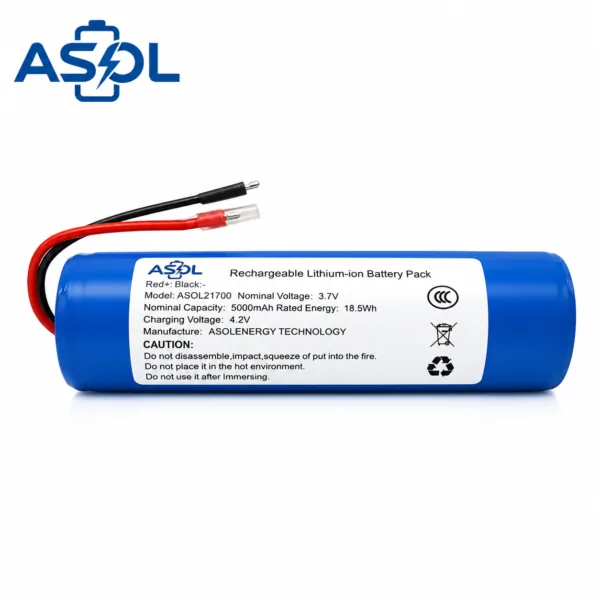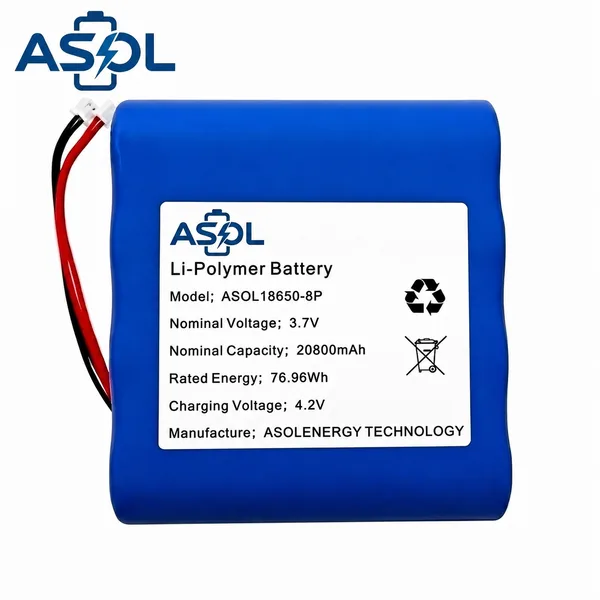

Lithium polymer (LiPo) batteries represent an advanced evolution in lithium-ion technology, where the traditional liquid electrolyte is replaced with a polymer-based electrolyte. This fundamental change unlocks unique advantages in safety, form factor, and weight, making them the preferred power source for modern ultrathin and wearable devices .
Here is a detailed breakdown of their advantages, materials, and structural design.
🔋 Core Advantages of Lithium Polymer Batteries
The shift to a polymer electrolyte and soft packaging gives LiPo batteries distinct characteristics compared to their liquid-filled counterparts.
- Enhanced Safety: The gel-like or solid polymer electrolyte is significantly less prone to leakage, swelling, or explosion compared to the volatile liquid electrolyte in standard Li-ion batteries. This reduces the risk of thermal runaway under extreme conditions like overcharging, high heat, or physical puncture .
- Ultra-Thin and Flexible Form Factor: Encased in a lightweight aluminum-plastic laminate pouch instead of a rigid metal can, LiPo batteries can be made extremely thin (under 1 mm) and can be customized into various shapes and sizes. This design flexibility allows manufacturers to maximize space in sleek devices like smartphones, smartwatches, and Bluetooth headphones .
- Lightweight Construction: The absence of a heavy metal casing results in a lighter battery overall, which is crucial for weight-sensitive applications such as drones and wearable electronics .
- High Discharge Rates: LiPo batteries are capable of delivering very high bursts of current, making them the top choice for high-performance applications like radio-controlled vehicles, drones, and advanced power tools .
- Long Cycle Life Potential: While standard Li-ion cells typically last 300–800 cycles, high-quality LiPo batteries can achieve 500 to over 1,200 cycles, thanks to the polymer electrolyte’s lower corrosiveness and the stable internal structure of the cell .
đź§Ş Key Materials and Their Functions
The materials in a LiPo battery share similarities with Li-ion batteries, with the critical distinction being the electrolyte and packaging.
| Component Category | Specific Materials | Primary Function |
|---|---|---|
| Electrolyte | Gel Polymer Electrolyte (GPE) or Solid Polymer Electrolyte (SPE): A polymer matrix (e.g., PEO, PVDF) mixed with lithium salts (e.g., LiPF₆, LiBF₄) . May include inorganic fillers (e.g., SiO₂) to enhance conductivity and mechanical strength . | Conducts lithium ions between electrodes; provides flexibility; ensures safety by being non-leachable . |
| Cathode (Positive) | Lithium Metal Oxides: Common materials include Lithium Cobalt Oxide (LiCoOâ‚‚) for high energy, and high-nickel NMC (Nickel Manganese Cobalt) for improved capacity and rate capability . Emerging research explores organic polymers like Conjugated Carbonyl Polymers (CCPs) for sustainability . | Determines the cell’s voltage and capacity; stores lithium ions when discharged . |
| Anode (Negative) | Graphite: The most common material. Research is advancing toward silicon-based materials for higher capacity and lithium metal for next-gen high-energy cells . | Stores and releases lithium ions during charging and discharging . |
| Separator | A microporous membrane (often polyethylene or polypropylene) that sits between the anode and cathode. In some gel-polymer designs, the polymer electrolyte itself can act as the separator . | Physically prevents short circuits between electrodes while allowing lithium ions to pass through . |
| Packaging | Aluminum-Laminated Film (ALF) : A flexible, multi-layer pouch made of aluminum and polypropylene. This “soft pack” replaces the rigid metal can of standard cells . | Encloses and protects the internal components; allows for shape customization and reduces weight . |
🏗️ Structural Design
The internal structure of a LiPo cell is engineered for compactness and flexibility, typically using a stacked or wound design housed in the distinctive pouch.
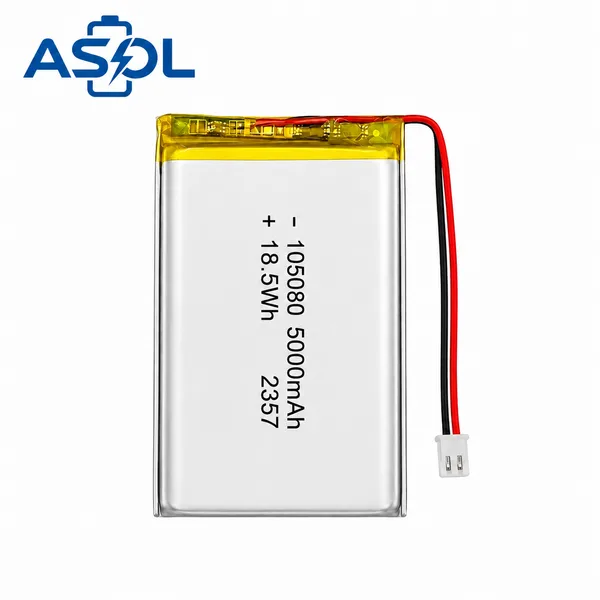
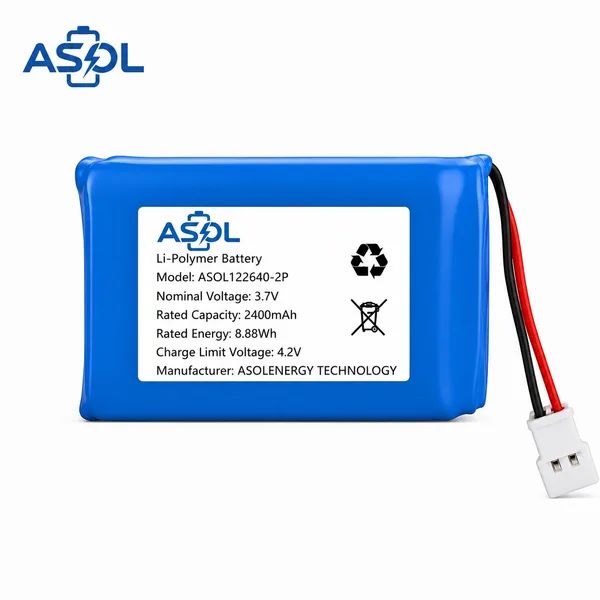
- The Pouch Cell Architecture: The core of a LiPo battery is the pouch cell. It is constructed by layering flat sheets: the anode, separator, and cathode are stacked (or wound and then pressed flat) to form a compact unit . These layers are then sealed inside the aluminum-laminated film pouch, with two metal tabs (terminals) protruding from the side to connect the electrodes to the outside world .
- Electrode Stacking: The stacked-layer design is key to achieving high capacity in a thin form. By placing multiple layers of electrodes in parallel, manufacturers can increase the total active surface area within a small volume. This structure also inherently provides high discharge rates, as the ions have a short distance to travel from multiple layers .
- Managing Flexibility and Expansion: The polymer electrolyte plays a dual role here. It not only conducts ions but also acts as a flexible binder, holding the electrode materials together and allowing the entire cell to bend without cracking . However, one inherent challenge is that all pouch cells can swell slightly over time due to gas generation from side reactions. The flexible pouch is designed to accommodate some expansion, but excessive swelling indicates cell degradation .