
Here is a detailed explanation of power battery packs, covering their advantages, materials, and structural design, based on the provided search results and general engineering knowledge.
A power battery pack is an advanced energy storage system that goes beyond a simple collection of cells. It is a complex, integrated assembly designed to store and release electrical energy to power devices, with the most demanding applications being electric vehicles (EVs) and industrial equipment . The engineering of a power battery pack focuses on maximizing performance, ensuring absolute safety, and guaranteeing a long operational life under harsh conditions .
โก Core Advantages of Power Battery Packs
The advantages of a modern power battery pack are realized through sophisticated design and high-quality materials, translating into tangible benefits for the user.
- High Energy Density and Efficiency: By utilizing advanced lithium-ion chemistries like Lithium Iron Phosphate (LFP) or Nickel Manganese Cobalt (NMC), modern packs store substantial energy in a compact and lightweight format . This is crucial for extending the range of EVs and the runtime of industrial machinery. Furthermore, efficient thermal management and low-impedance connections minimize energy loss during charging and discharging, contributing to significant energy savings .
- Extended Cycle Life and Durability: Power battery packs are engineered to last. High-quality packs, especially those using LFP cells, can achieve 6,000 to 8,000 charge cycles while maintaining 80% of their initial capacity . This longevity, combined with robust structural design and protective materials, reduces the total cost of ownership and minimizes downtime for replacements .
- Enhanced Safety and Reliability: Safety is the paramount advantage, achieved through multiple layers of protection .
- Advanced BMS: A sophisticated Battery Management System (BMS) acts as the pack’s brain, constantly monitoring voltage, current, and temperature to prevent over-charge, over-discharge, and short circuits .
- Thermal Runaway Mitigation: Materials like potting compounds, flame-retardant foams, and thermal insulators are used to prevent a failure in one cell from propagating to others, a critical safety feature .
- Environmental Sealing: Rugged enclosures with high Ingress Protection (IP) ratings (e.g., IP65, IP67) shield internal components from dust, water, and corrosion, ensuring reliable operation in all weather conditions .
- Fast Charging and High Discharge Power: Designed for minimal downtime, power battery packs can accept high charging currents, allowing for rapid replenishment of energy . They are also capable of delivering high bursts of power when needed, such as during EV acceleration or when starting heavy machinery .
- Modularity and Scalability: Many power battery packs feature a modular design, allowing them to be connected in series or parallel to scale voltage and capacity for a wide range of applications, from small off-grid setups to large-scale grid storage .
๐งช Key Materials in a Power Battery Pack
A power battery pack is a symphony of different materials, each chosen for its specific role in ensuring performance, safety, and longevity .
| Component Category | Specific Materials | Primary Function |
|---|---|---|
| Electrochemical Cells | Active Materials: LFP, NMC for cathodes; Graphite, Silicon for anodes. Separator: Microporous Polyethylene (PE) or Polypropylene (PP) membrane. | The fundamental units that store and release energy through chemical reactions . |
| Thermal Management Materials | Thermal Interface Materials (TIMs): Thermally conductive silicones, epoxies, or gap fillers. Cooling Plates: Aluminum. Phase Change Materials (PCMs) . | To draw heat away from cells, transfer it to a cooling system, and maintain uniform temperature . |
| Structural & Protective Materials | Enclosure (Housing) : Steel, Aluminum alloys, or high-strength composites. Potting & Encapsulation: Polyurethane (PU), Epoxy, or Silicone resins . Flame-Retardant Foams: Silicone-based foams. Electrical Insulation: Polyimide (PI) film, Epoxy boards, Mica sheets. | To provide mechanical strength, protect against vibration and shock, electrically isolate components, and contain failures . |
| Electrical Connection Systems | Busbars: Copper or Aluminum. Wiring Harnesses: Copper wires with polymer insulation. High/Low-Voltage Connectors: Plastic housings with metal terminals. | To efficiently conduct electricity between cells and modules, and to carry data signals for the BMS . |
| Battery Management System (BMS) | Printed Circuit Boards (PCBs) populated with microcontrollers, sensors, and semiconductor components. | The “brain” that monitors cell health, manages charging/discharging, ensures cell balancing, and communicates with the host device . |
๐๏ธ Advanced Structural Design
The structural design of a power battery pack is a feat of engineering that organizes these materials to work in harmony.
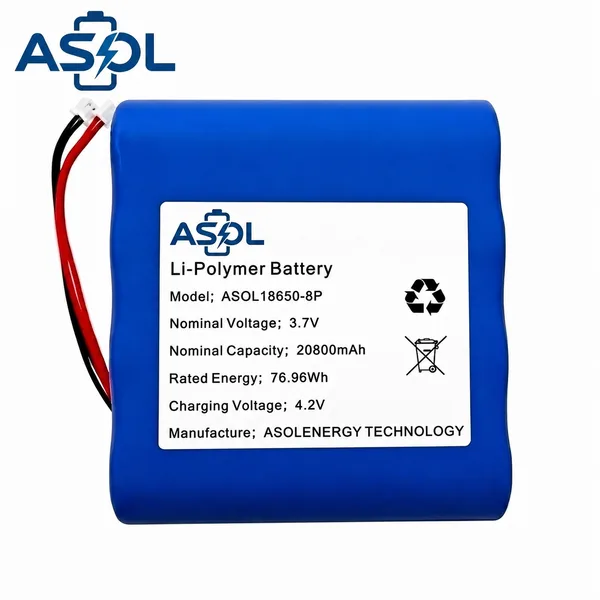
- From Cells to Pack: The Structural Hierarchy: Traditional packs follow a “cell โ module โ pack” architecture . Cells are grouped into modules, which provide structure, heat management, and cell expansion buffers . These modules are then assembled into the final pack within a protective housing . To boost energy density, the industry is moving toward Cell-to-Pack (CTP) designs, which eliminate modules and integrate cells directly into the pack, saving space and weight .
- Cell Fixing and Connecting: A primary structural challenge is securely fixing cells and connecting them electrically .
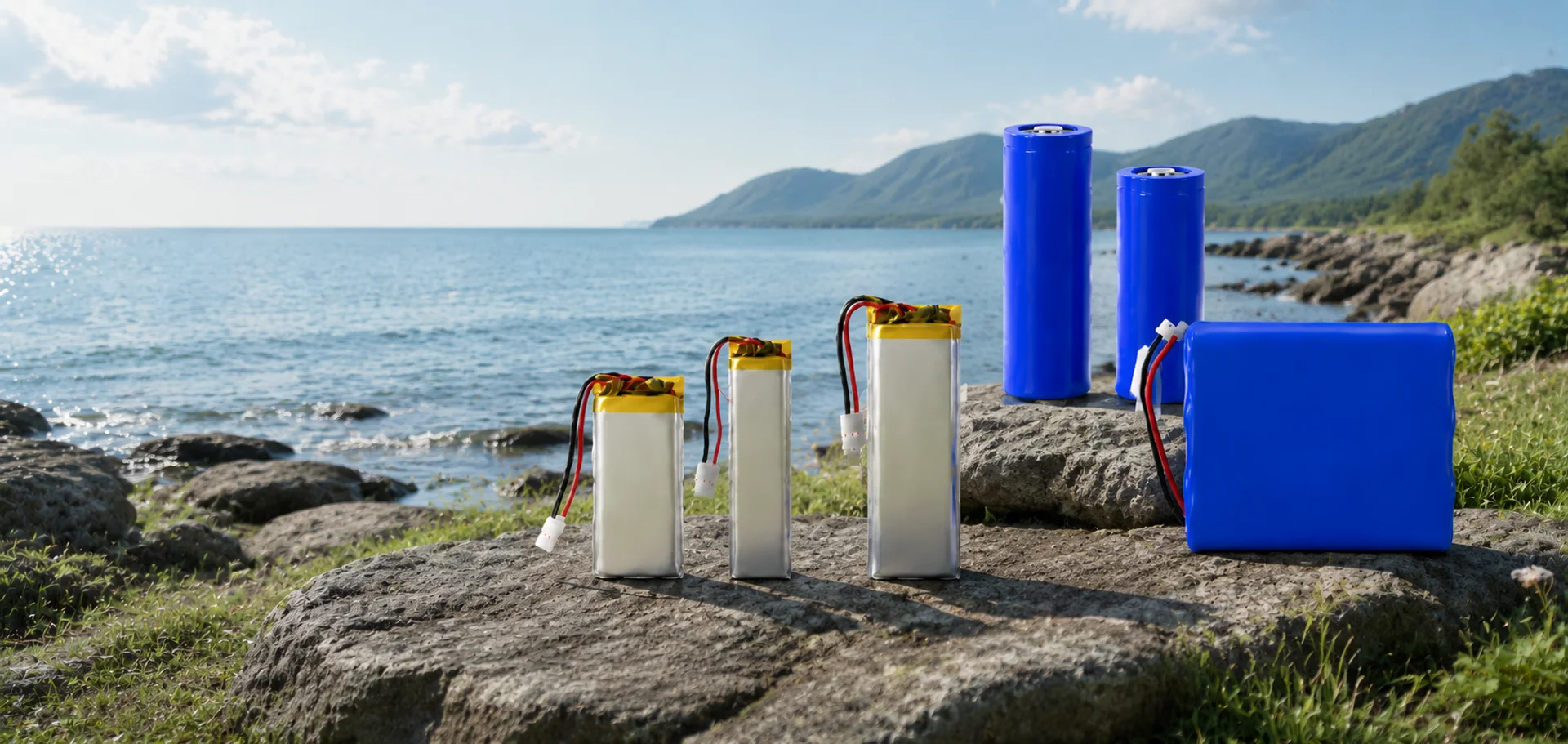
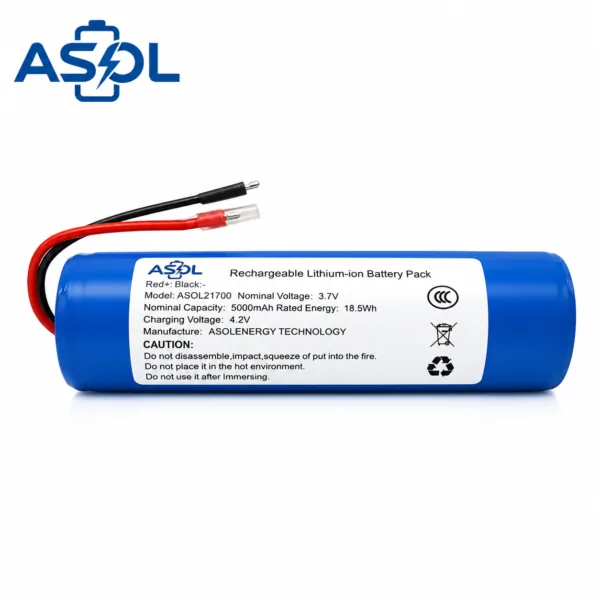
- Cylindrical Cells: Often held in plastic cages with adhesive and connected using laser or ultrasonic welding .
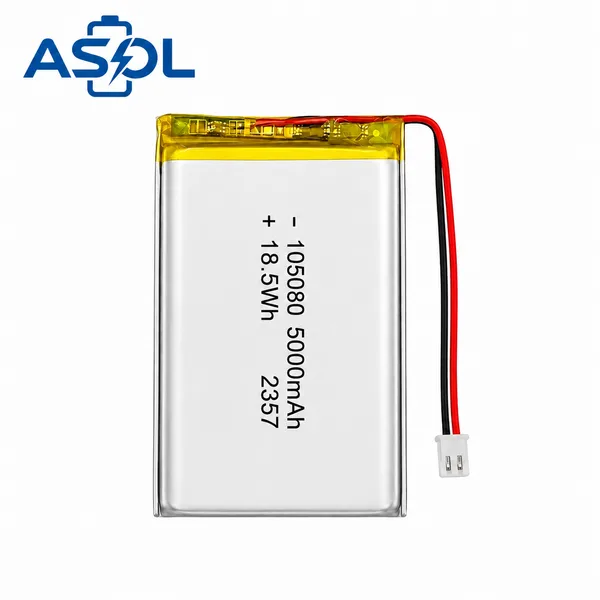
- Prismatic Cells: Typically stacked and glued together, then bound by a rigid external frame. Connections are made by laser welding or bolting busbars to the cell terminals .
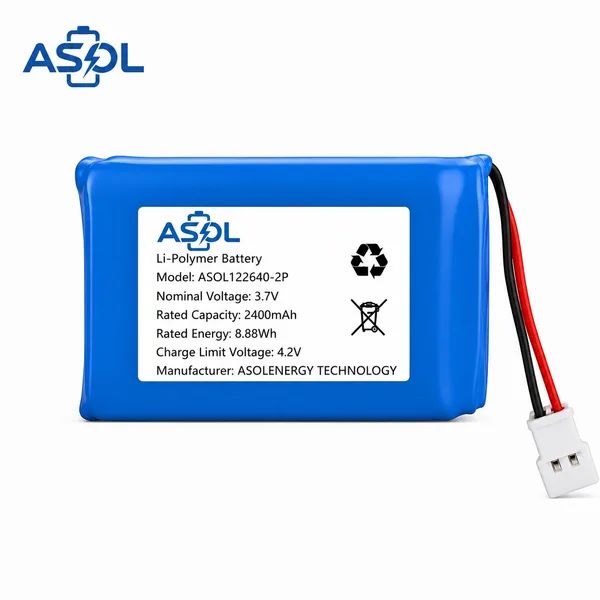
- Pouch Cells: Encased in a protective shell or frame to compensate for their flexible structure .
- Managing Cell Expansion: Lithium-ion cells expand and contract during use. To manage this, engineers integrate expansion buffers .
- Foam Materials: Soft but resilient foams (like silicone, polyurethane, or EVA) are placed between cells . These foams absorb expansion forces to prevent damage and then push the cells back into place as they contract. The foam’s stiffness is carefully matched to the cell’s force .
- Housing and Thermal Integration: The outer housing is more than just a box. It integrates multiple functions:
- Structural Support: The housing provides the main structural backbone, protecting cells from impact and vibration .
- Thermal Interface: The housing often integrates cooling channels or acts as a heat sink. Thermal interface materials are critical here, filling microscopic air gaps between the cells/modules and the cooling surface to ensure efficient heat transfer .
- Integrated Functionality: Innovative designs, like the one in a 2020 patent, show housings that double as vehicle structural members, with internal partitions serving as both cell dividers and reinforcement beams for better side-impact safety .
In summary, a power battery pack is a highly engineered system where materials science and structural design converge to deliver safe, reliable, and high-performance energy for the most demanding applications. The continuous evolution of its components and architecture is key to the future of electrification.